Community Connections: The Heart of Wellness Discussions
- Dr. Winford Amos

- Dec 31, 2025
- 5 min read
In today's fast-paced world, the importance of community connections in wellness discussions cannot be overstated. As we navigate through various challenges—be it mental health issues, physical wellness, or social isolation—the role of community becomes a vital pillar of support. This blog post explores how fostering community connections can enhance our overall well-being, providing practical insights and examples to inspire action.
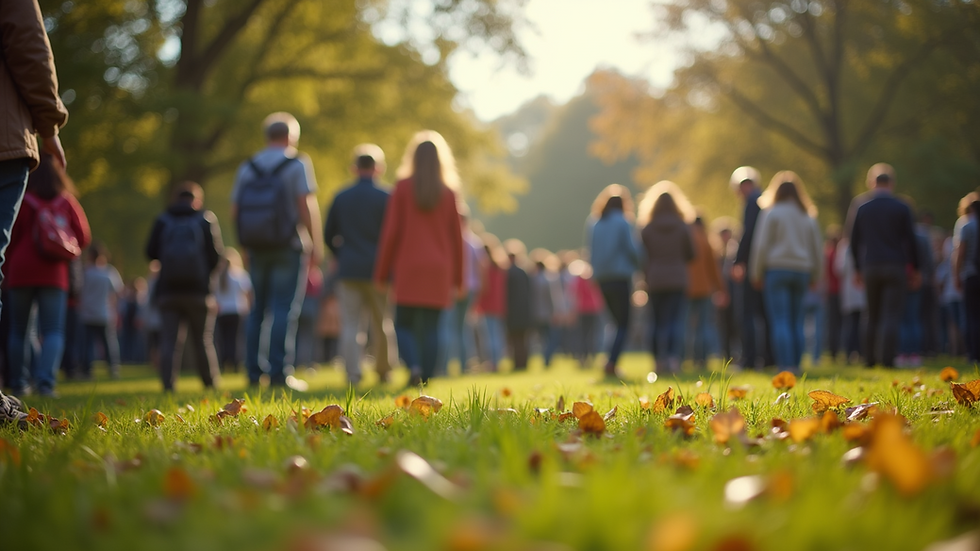
Understanding Community Connections
Community connections refer to the relationships and networks that individuals build within their local environments. These connections can take many forms, from friendships and family ties to professional relationships and social networks. The essence of these connections lies in their ability to provide support, share resources, and foster a sense of belonging.
The Importance of Community in Wellness
Emotional Support: Having a strong community can significantly impact mental health. When individuals feel connected, they are less likely to experience feelings of loneliness and isolation. Emotional support from friends and family can help individuals cope with stress and anxiety.
Resource Sharing: Communities often serve as a hub for sharing resources. This can include information about local health services, wellness programs, or even informal support groups. By tapping into these resources, individuals can access valuable information that promotes their well-being.
Collective Action: Communities can come together to address common health issues. For example, community-led initiatives such as fitness classes, health fairs, or mental health awareness campaigns can create a collective impact that benefits everyone involved.
Building Strong Community Connections
Creating and nurturing community connections requires intentional effort. Here are some practical strategies to strengthen these bonds:
Engage in Local Events
Participating in local events is a great way to meet new people and build connections. Look for:
Health fairs: These events often provide free screenings and wellness information.
Workshops: Attend workshops focused on topics like nutrition, mental health, or fitness.
Community service: Volunteering for local organizations can help you meet like-minded individuals while giving back.
Join Clubs or Groups
Consider joining clubs or groups that align with your interests. This could include:
Fitness groups: Running clubs, yoga classes, or hiking groups can foster connections through shared activities.
Book clubs: Engaging in discussions about literature can lead to deeper connections with others.
Support groups: These groups provide a safe space for individuals facing similar challenges to share experiences and support one another.
Utilize Online Platforms
In today's digital age, online platforms can also facilitate community connections. Consider:
Social media groups: Join local wellness or health-focused groups to connect with others in your area.
Online forums: Participate in discussions on platforms like Reddit or specialized wellness websites.
Virtual events: Attend webinars or online workshops that focus on wellness topics.
The Role of Communication in Community Wellness
Effective communication is crucial for fostering strong community connections. Here are some tips to enhance communication within your community:
Active Listening
Practice active listening by giving your full attention to others when they speak. This shows that you value their thoughts and feelings, fostering a deeper connection.
Open Dialogue
Encourage open dialogue within your community. Create spaces where individuals feel comfortable sharing their experiences and concerns. This can be achieved through:
Community meetings: Regularly scheduled meetings can provide a platform for discussion.
Feedback sessions: Allow community members to voice their opinions on wellness initiatives.
Celebrate Achievements
Recognizing and celebrating achievements within the community can strengthen bonds. This could include:
Highlighting success stories: Share stories of individuals who have made significant progress in their wellness journeys.
Organizing celebrations: Host events to celebrate milestones, such as completing a community fitness challenge.
Case Studies: Successful Community Wellness Initiatives
The Community Garden Project
In a small town, residents came together to create a community garden. This initiative not only provided fresh produce but also served as a gathering place for neighbors. The garden became a hub for workshops on nutrition and cooking, fostering connections among participants. As a result, the community saw an increase in overall health and well-being.
The Mental Health Awareness Campaign
A local organization launched a mental health awareness campaign that included workshops, support groups, and informational sessions. By collaborating with mental health professionals, the campaign successfully reduced stigma and encouraged individuals to seek help. The initiative fostered a sense of community, as participants shared their experiences and supported one another.
Overcoming Barriers to Community Connections
While building community connections is essential, there can be barriers that hinder participation. Here are some common challenges and strategies to overcome them:
Time Constraints
Many individuals struggle to find time to engage in community activities. To address this, consider:
Flexible scheduling: Organize events at various times to accommodate different schedules.
Shorter events: Host brief gatherings that require less time commitment.
Lack of Awareness
Some individuals may not be aware of available community resources. To combat this, focus on:
Promoting events: Use flyers, social media, and local newsletters to spread the word about community activities.
Creating a resource directory: Compile a list of local wellness resources and share it within the community.
Fear of Judgment
Fear of judgment can prevent individuals from participating in community activities. To create a welcoming environment:
Encourage inclusivity: Promote a culture of acceptance and support within the community.
Share personal stories: When leaders share their experiences, it can help others feel more comfortable opening up.
The Future of Community Connections in Wellness
As we move forward, the importance of community connections in wellness discussions will only grow. With the rise of technology and social media, there are new opportunities to foster connections, but it is essential to maintain the human element. Here are some trends to watch:
Hybrid Events
The future may see a rise in hybrid events that combine in-person and virtual participation. This approach allows for greater accessibility and can engage a wider audience.
Focus on Inclusivity
Communities will increasingly prioritize inclusivity, ensuring that all individuals feel welcome and valued. This can lead to more diverse perspectives and richer discussions around wellness.
Emphasis on Mental Health
As awareness of mental health continues to grow, community initiatives will likely place a greater emphasis on mental well-being. This could include more support groups, workshops, and resources dedicated to mental health.
Conclusion
Community connections are the heart of wellness discussions. By fostering relationships, sharing resources, and creating supportive environments, we can enhance our overall well-being. Whether through local events, clubs, or online platforms, there are countless ways to build and strengthen these connections. As we move forward, let us prioritize community engagement and support one another on our wellness journeys.
Take the first step today—reach out to a neighbor, join a local group, or participate in a community event. Together, we can create a healthier, more connected world.


Comments